
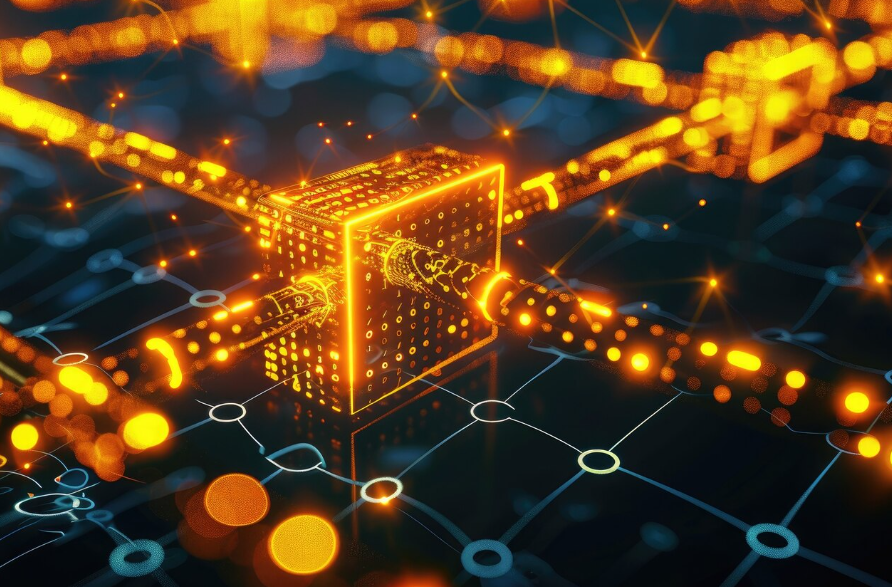
Blockchain is a distributed ledger technology that stores data across a network of computers. Each block links to the previous one via cryptographic hashes, ensuring data integrity. This structure prevents tampering once information is recorded. No single entity controls the network, enabling trustless operations. Nodes reach consensus to validate and add new blocks.
Consensus Mechanisms
Proof-of-Work (PoW) requires miners to solve complex puzzles for block creation. Proof-of-Stake (PoS) selects validators based on staked coins, saving energy. Delegated Proof-of-Stake (DPoS) lets token holders vote for representatives. These methods secure the chain against fraud like double-spending. Efficiency varies by network needs and scale.
Smart Contracts Explained
Smart contracts are self-executing code deployed on the blockchain. They trigger actions when predefined conditions are met. Ethereum pioneered them in 2015 with Solidity language. No intermediaries reduce costs and errors in agreements. Audits ensure code reliability before deployment.
Scalability Solutions
Blockchain trilemma balances security, decentralization, and speed. Sharding splits the network into parallel shards for higher throughput. Layer-2 solutions like rollups bundle transactions off-chain. State channels enable instant micro-payments. These innovations aim for Visa-level capacity.
Privacy Enhancements
Zero-knowledge proofs verify transactions without revealing details. Ring signatures mix inputs for anonymity, as in Monero. Homomorphic encryption allows computations on encrypted data. Multi-signature schemes require multiple approvals. Privacy layers protect users from surveillance.
Interoperability Protocols
Cross-chain bridges connect disparate blockchains for asset transfers. Polkadot’s relay chain facilitates parachain communication. Cosmos SDK enables custom interoperable chains via IBC. Atomic swaps exchange assets trustlessly across networks. This fosters a multi-chain ecosystem.
Future Innovations
Quantum-resistant cryptography counters future computing threats. Integration with AI enables oracle-fed predictions on-chain. Blockchain enhances supply chains with immutable tracking. Standards like ERC-1155 support multi-asset tokens. Adoption will span healthcare, voting, and identity verification.